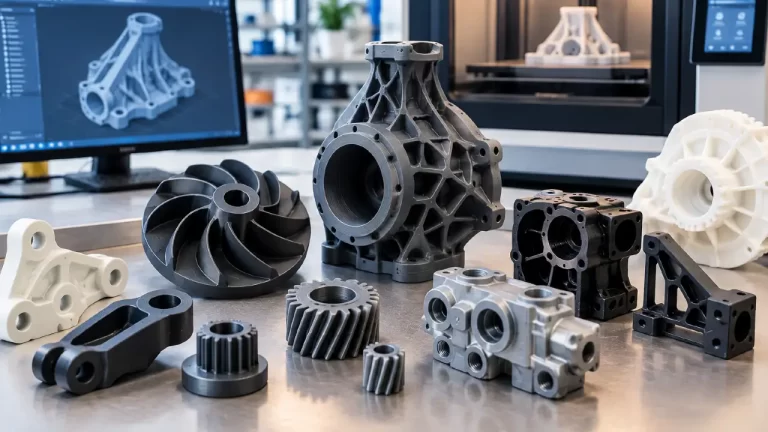


The pace of industrial manufacturing innovations continues to grow and evolve faster than ever before; one technology that will help drive this transformation is industrial 3D printing. Once seen as an experimental prototype creation method, the use of industrial 3D printers has moved from being a niche market item to becoming a core part of every industry’s process, including those of the aerospace, automotive, health, and construction sectors.
Industrial 3D printers can allow organisations to design new products, build prototypes from those designs at an unprecedented speed, produce parts efficiently and precisely, reduce costs associated with production, and create innovative products faster than before. Collectively, this transformation due to the capabilities of industrial 3D printing services is changing the face of every industry by enhancing both product development and delivery processes significantly.
What Is Industrial 3D Printing?
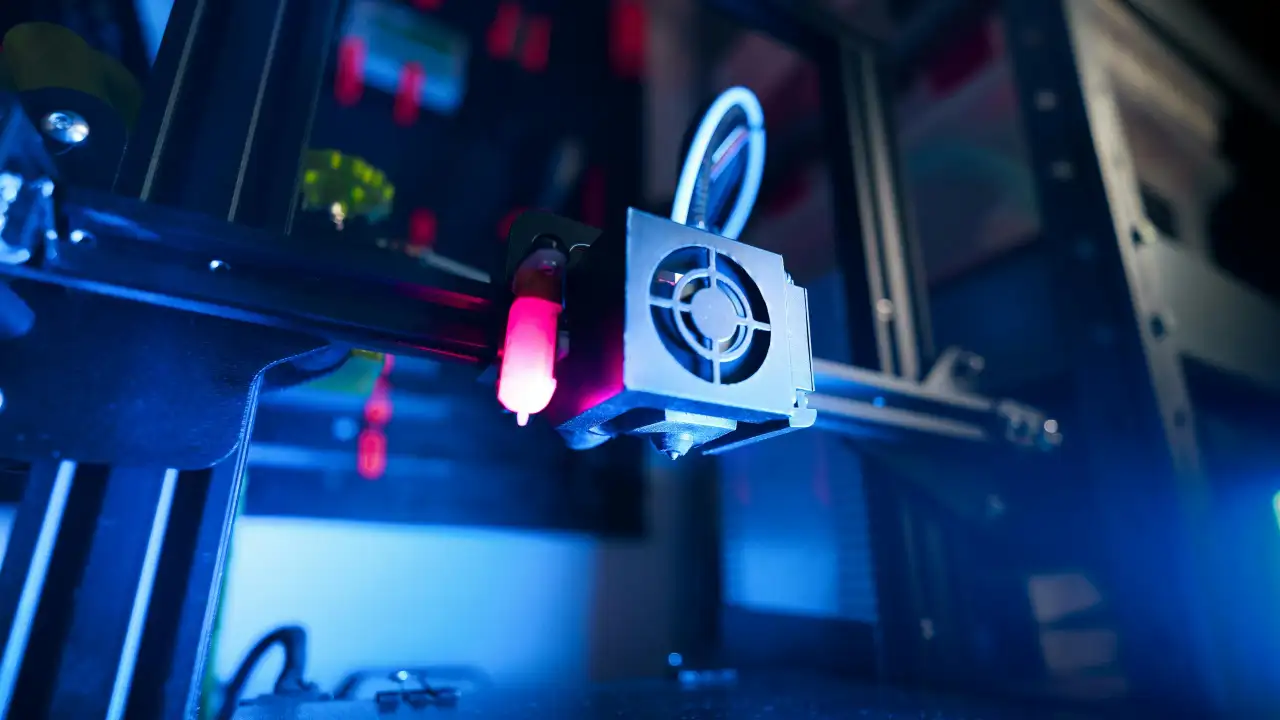
3D printing, is a means of creating 3D objects layer by layer using digital blueprints. Unlike traditional subtractive manufacturing methods wherein pieces are created by cutting away from a block or other source of material, the additive method adds materials to form parts.
Industrial 3D printers work with high-tech machines, advanced engineering materials, and sophisticated software to manufacture finished components that can withstand tough environments and perform well in real-life applications.
Experience That Helps You Build Better, Faster, and Smarter
- Rapid prototyping
- Custom part manufacturing
- Low-volume production
- Functional testing models
- Tooling and fixtures
- On-demand spare parts production
3D Printing Workflow:
Create 3D Design – Engineers create a 3D model using CAD software.
File Preparation – The design is optimized and sliced into printable layers.
Material Selection – Suitable materials are chosen based on application needs.
Printing Process – The industrial printer builds the object layer by layer.
Post-Processing – Parts may undergo polishing, machining, heat treatment, or painting.
Quality Inspection – Final parts are tested for dimensional accuracy and performance.
Challenges of Industrial 3D Printing:
Higher costs for large-scale production
Material limitations for specific applications
Slower production speeds compared to mass manufacturing
Need for specialized technical expertise
Post-processing requirements for certain parts
Conclusion:
Advancing technology is allowing for the adoption of industrial three-dimensional printing services into the realm of modern manufacturing processes. With improved speeds, more versatile methods, and creative options for designing products useable in the manufacturing process, additive manufacturing is transforming how businesses operate. These technologies have enabled organizations to cut costs, improve efficiency, and enhance innovation.
continually advancing technologies will enable even more companies to incorporate industrial three-dimensional printing into their daily routines, thus providing a path for businesses to maintain competitive edge in a highly competitive global environment.
For more details contact 3D Artway