


In today’s competitive real estate and design market, visuals play a crucial role in how apartments are presented and perceived. One of the most powerful tools transforming the industry is 3D interior rendering. This technology allows designers, developers, and homeowners to visualise apartment interiors with stunning realism—long before construction or renovation begins.
What Is 3D Interior Rendering?
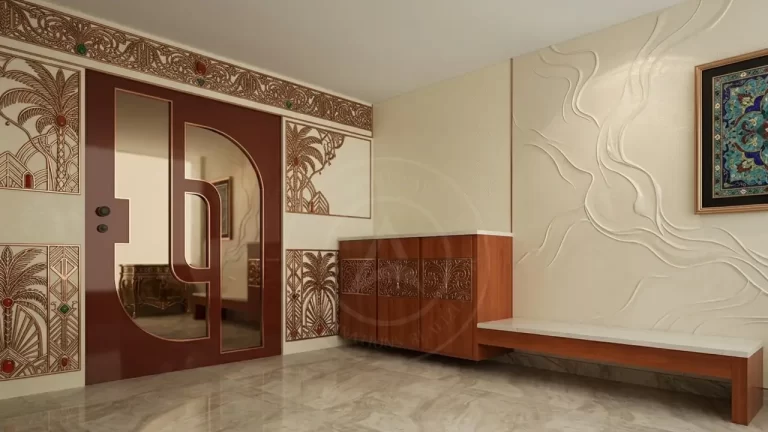
3D interior rendering is the process of creating life like digital images of interior spaces using specialized software. These renders showcase layouts, furniture, lighting, textures, and materials in a realistic way. For apartments, this means every room—from compact studios to luxury penthouses—can be accurately visualized in advance.
Why Apartments Benefit from 3D Interior Visualization
Apartments often come with space constraints, and smart design is key. 3D rendering helps bridge the gap between imagination and reality by clearly showing how a space will look and function.
Key Benefit from 3D Interior Visualization:
Better Space Planning: Designers can optimize layouts, furniture placement, and storage solutions before finalizing plans.
Enhanced Visualization: Clients and buyers can see the apartment as a finished, fully furnished space rather than interpreting flat floor plans.
Cost and Time Efficiency: Identifying design issues early reduces costly changes during construction.
Marketing Advantage: High-quality renders attract more attention in listings, brochures, and online campaigns.
Applications in Apartment Design and Marketing
3D interior rendering is widely used across different stages of apartment projects:
Pre-construction Visualization: Developers use renders to present upcoming projects to investors and buyers.
Interior Design Presentation: Designers can showcase multiple styles, color schemes, and furniture options.
Real Estate Marketing: Photorealistic visuals help apartments stand out on property portals and social media.
Virtual Tours: Combined with animation or VR, 3D renders allow potential buyers to explore apartments remotely.
Read blog about the 3D Architecture Design
How Design Shapes Emotional Experiences
Beyond technical accuracy, 3D interior rendering helps create an emotional connection. Warm lighting, realistic textures, and thoughtfully styled interiors allow viewers to imagine themselves living in the space. This emotional appeal is especially important when selling apartments, where buyers are looking for comfort, lifestyle, and a sense of dream home.
The Future of Apartment Visualization
As technology evolves, 3D interior rendering continues to become more immersive and interactive. Real-time rendering, virtual reality, and AI-driven design tools are shaping the future of apartment visualization, making the process faster and more personalized.
Conclusion
3D interior rendering has become an indispensable tool in modern apartment design and marketing. It not only enhances visualization but also improves decision-making, reduces risks, and elevates the overall presentation of living spaces. Whether you’re a developer, interior designer, or real estate professional, investing in high-quality 3D interior rendering can make a significant difference in how apartments are designed, marketed, and experienced.