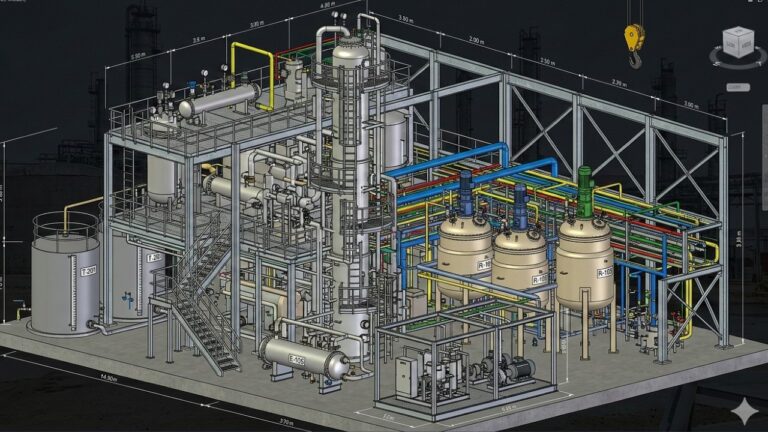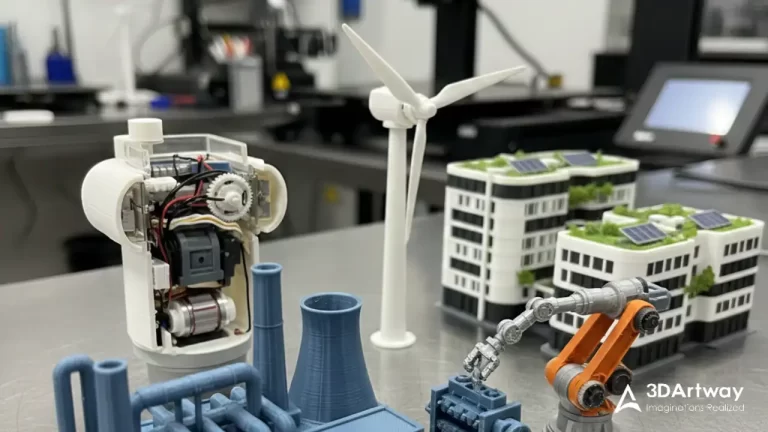
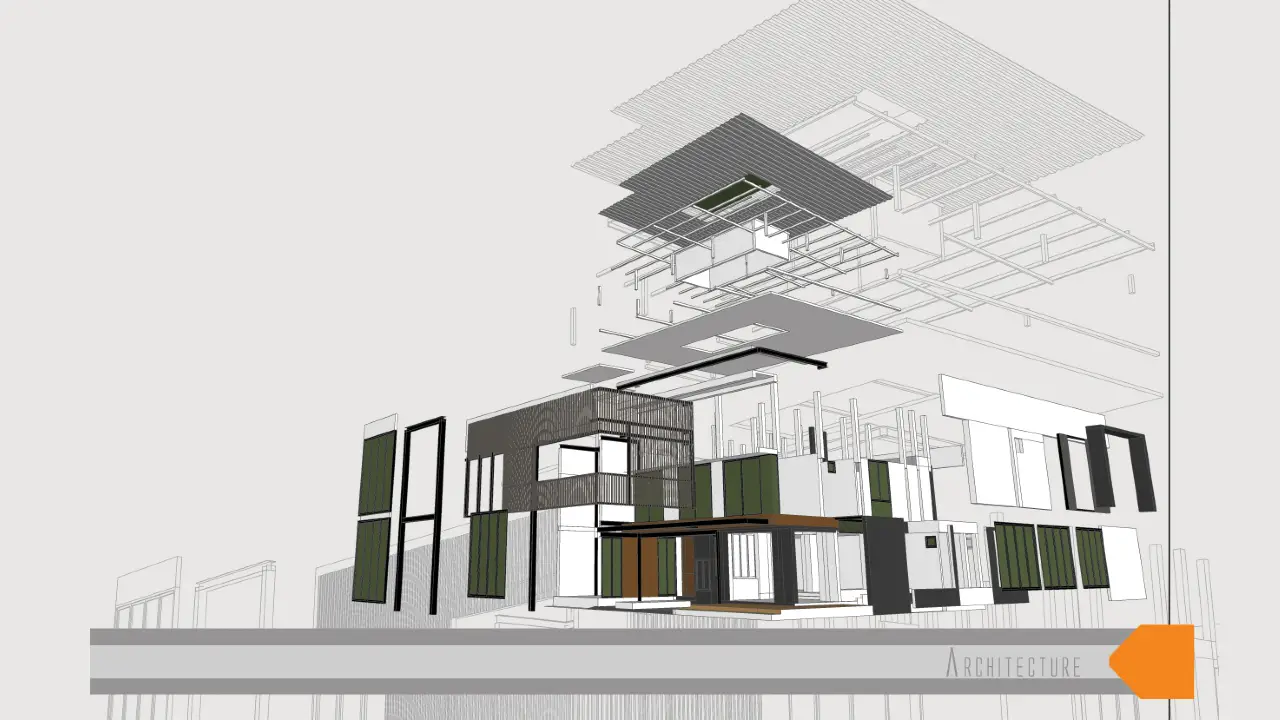

Architects and developers are now required to communicate Eco-minded building design decisions to clients, authorities and investors, as sustainable architecture is no longer just a trend but also a necessary message regarding the way our buildings will be constructed. 3D architectural visualisation transforms and conveys concepts into realistic visualization, allowing all stakeholders to be able to visualise, respect, trust and confirm that the conceptual vision of what a green building will look like after construction.
Why Sustainability Needs 3D Visualization
Many green buildings utilize complex design features that are difficult to explain with just renders – these include; Energy efficient materials, passive lighting strategies, natural ventilating systems and renewable energy elements.
3D architectural visualisation provides:
- Visually displaying the Sustainability aspects of the building
- Assisting non-technical stakeholders in understanding green building concepts
- Providing a basis for expediting a building’s approval process and encouraging sound decisions
When Sustainability is visible, it is much more valuable.
Key Benefits of 3D Visualization in Sustainable building projects:
1. Clear Communication of Sustainable Design
Photorealistic 3D renders allow architects to visually present:
- Solar panels and renewable energy systems
- Green roofs and vertical gardens
- Shading devices and façade treatments
- Natural ventilation and daylight strategies
This clarity improves client trust and reduces misinterpretation.
2. Better Daylighting and Energy Analysis
3D visualization enables designers to simulate:
- Natural light penetration at different times of day
- Seasonal sun paths and shading impact
- Window placement and glazing efficiency
These visuals help optimize energy performance while maintaining aesthetic appeal.
3. Visualizing Eco-Friendly Materials
Sustainable materials often look different from conventional ones. 3D rendering allows realistic previews of:
- Recycled or reclaimed materials
- Low-VOC finishes
- Sustainable wood alternatives
- Energy-efficient glass and insulation systems
Clients can confidently approve materials before they are sourced or installed.
4. Support for Green Building Certifications
Projects pursuing certifications like LEED, BREEAM, or WELL benefit from visualization during planning and presentation stages.
3D visuals help:
- Demonstrate compliance with sustainability criteria
- Communicate environmental intent to review boards
- Strengthen project documentation and presentations
5. Stronger Marketing for Eco-Conscious Developments
Sustainability is a powerful selling point. High-quality 3D renders help developers market green projects effectively by highlighting:
- Eco-friendly lifestyles
- Integration with nature
- Reduced environmental impact
- Long-term energy savings
These visuals resonate strongly with environmentally conscious buyers and investors.
Read the blog what are the reasons to choose 3D architecture designer
Applications of 3D Visualization in Sustainable Architecture
- Residential green homes and eco-villas
- Commercial energy-efficient buildings
- Urban planning and smart city projects
- Educational and institutional green campuses
- Mixed-use sustainable developments
Conclusion:
3D architectural visualization can do so much more than just present; it serves as a key strategic component of sustainable or “green” building projects by providing architects and developers with a way to visualize and convey their eco-friendly design decisions. The result is not only an efficient and responsible building, but one that will inspire others.
When sustainability is part of your overall design vision, the 3D visualization process is the means by which you will effectively communicate this vision.